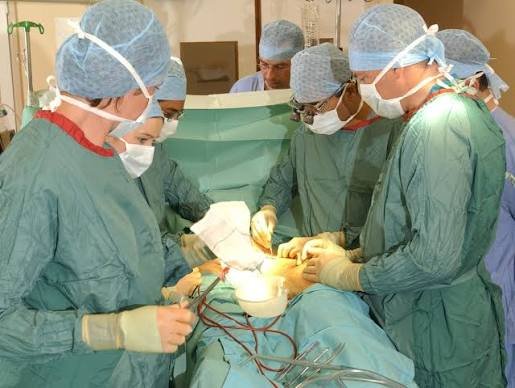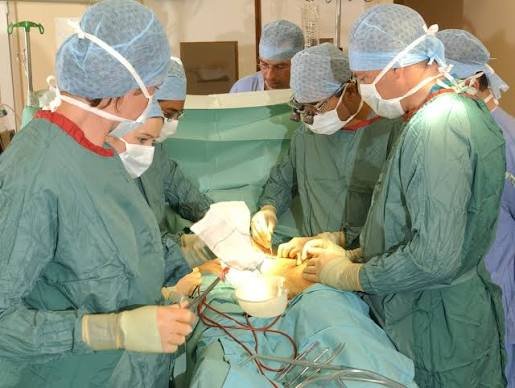
Best Organ Transplant Hospitals Worldwide: A Guide to Leading Centres and Countries
Finding the right hospital for an organ transplant is one of the most important decisions a patient and their family can make. Whether you need a kidney, liver, heart or lung transplant, choosing an experienced transplant centre with qualified specialists, appropriate facilities and reliable long-term patient care is essential.
Patients researching international organ transplant hospitals often compare treatment options in the United States, United Kingdom, India, Turkey and Germany. These countries have established transplant programmes, specialist medical teams and hospitals offering different types of transplantation.
This guide explores notable transplant centres, what makes their programmes worth researching and the important factors to consider before choosing a hospital abroad.
1. United States: Mayo Clinic Transplant Center
Mayo Clinic is one of the largest integrated transplant providers in the United States, with major transplant programmes in Arizona, Florida and Minnesota.
Its specialists provide a range of transplant services, including kidney, liver, heart, lung and pancreas transplantation. The organisation also offers specialised programmes involving paediatric transplantation and complex procedures.
Why Consider Mayo Clinic?
- Multiple transplant programmes: Access to specialists across several organ transplant disciplines.
- Multidisciplinary care: Medical specialists, transplant surgeons and other healthcare professionals work together to assess individual patients.
- Complex transplant experience: The centre offers specialised programmes for patients with complicated medical conditions.
- International patient services: International patients can enquire about eligibility, medical evaluation and treatment arrangements.
Official website: Mayo Clinic International Transplant Services .
2. United Kingdom: Royal Papworth and Oxford Transplant Centres
The United Kingdom has an established network of specialist transplant hospitals operating through the National Health Service (NHS). Different hospitals specialise in different organs, so patients should identify a centre that provides the exact transplant service they require.
Royal Papworth Hospital – Heart and Lung Transplants
Royal Papworth Hospital in Cambridge is one of the UK's major adult heart and lung transplant centres. It has extensive experience in cardiothoracic transplantation and provides specialist care for patients with serious heart and lung conditions.
Its services include heart transplantation, lung transplantation, combined heart-lung transplantation and advanced treatments for patients awaiting transplantation.
Oxford University Hospitals – Kidney Transplants
Oxford Transplant Centre provides specialist kidney transplantation for patients with advanced kidney failure. Its programme includes both living-donor and deceased-donor kidney transplantation.
Oxford University Hospitals reported that it performed 201 adult kidney transplants in 2024–25, including 68 living-donor kidney transplants.
Official websites:
3. India: Specialist Organ Transplant Hospitals
India is an important destination for patients researching international medical treatment. Its healthcare sector includes hospitals offering kidney, liver, heart and other transplant programmes.
Patients frequently research hospitals such as Gleneagles Hospitals, Medanta – The Medicity and Max Healthcare when comparing transplant treatment options.
Hospitals Worth Researching
- Gleneagles Hospitals: Patients can enquire about its specialist transplant services, medical assessment procedures and eligibility requirements.
- Medanta – The Medicity: A major Indian hospital group offering specialised medical and surgical services, including organ transplantation.
- Max Healthcare: Another hospital network patients may investigate when comparing transplant specialists and treatment programmes.
Important Legal Requirements for International Patients
Organ transplantation in India is regulated by the Transplantation of Human Organs and Tissues Act (THOTA) and its associated rules.
Foreign patients considering living-donor transplantation must understand the relationship requirements, medical visa rules and prior approval procedures. Commercial organ trading is prohibited.
Foreign patients seeking deceased-donor transplantation are subject to the applicable registration and organ allocation rules. International patients should confirm their eligibility directly with an authorised transplant hospital.
Official information: National Organ and Tissue Transplant Organization (NOTTO), India .
4. Turkey: International Organ Transplant Services
Turkey has developed specialist medical facilities and transplant programmes serving both domestic and international patients. Its healthcare infrastructure includes hospitals offering kidney and liver transplantation.
International patients may research institutions such as Memorial Healthcare Group, Acıbadem Healthcare Group and Medical Park Hospitals when comparing available treatment programmes.
What International Patients Should Consider
- Hospital authorisation: Confirm that the hospital is officially authorised to perform the specific transplant procedure.
- Medical eligibility: Ask whether the hospital can evaluate your medical records before you travel.
- Donor regulations: Understand the legal requirements for living-donor and deceased-donor transplantation.
- International patient assistance: Confirm the availability of translation, accommodation guidance and medical coordination.
- Long-term care: Establish how follow-up appointments and complications will be managed after returning home.
Patients can consult the official Turkish health tourism information portal for general guidance: HealthTürkiye – Organ Transplantation .
5. Germany: Specialist University Transplant Hospitals
Germany has an established organ transplantation system supported by specialist university hospitals, regulated medical procedures and national organ donation coordination.
Patients researching German transplant services may investigate major university medical centres, including Heidelberg, Freiburg, Dresden and Mannheim. However, the availability of specific transplant procedures differs between institutions.
Understanding the German Transplant System
Germany participates in the Eurotransplant organ allocation network. This system coordinates the allocation of donated organs across participating countries using medical criteria such as urgency, compatibility, expected transplant outcome and waiting time.
Organ donation and transplantation in Germany are regulated under national legislation. Patients should confirm their eligibility, referral requirements and the hospital's authorised transplant services before making arrangements.
Official information: Eurotransplant – Germany .
How to Choose the Best Organ Transplant Hospital
Selecting a transplant hospital should involve more than comparing online rankings or advertised treatment prices. Your medical needs, the hospital's experience and the quality of long-term care should guide your decision.
1. Verify Hospital Accreditation and Authorisation
Check whether the hospital holds appropriate national authorisation to perform the specific transplant procedure. International accreditation, such as Joint Commission International (JCI), may provide additional information about healthcare quality standards, but it does not replace official transplant licensing.
2. Compare Transplant Experience and Outcomes
Ask how many procedures the hospital performs for your specific organ type and request information about patient and graft survival outcomes. Compare results using appropriate medical risk factors rather than relying on marketing claims.
3. Understand Waiting Times and Organ Allocation
Waiting periods depend on organ availability, compatibility, medical urgency and national allocation regulations. A hospital cannot guarantee an organ or promise a particular waiting time.
Living-donor transplantation may provide another treatment pathway for eligible patients, but it must follow medical, ethical and legal requirements.
4. Understand the Full Cost of Treatment
Request a written estimate covering the medical evaluation, surgery, hospital admission, intensive care, medication, accommodation, transport and follow-up appointments.
Ask what happens if complications require additional treatment or a longer hospital stay.
5. Check Long-Term Follow-Up Arrangements
Transplantation requires ongoing medical supervision. Before travelling abroad, establish how your medication, laboratory tests, specialist reviews and emergency care will be managed after returning home.
6. Confirm the Legal Requirements for Organ Donation
Living donation must be voluntary and properly authorised. Donors must undergo independent medical evaluation and informed consent procedures. Never participate in organ buying, selling, coercion or arrangements that bypass national transplant regulations.
Important Considerations Before Travelling Abroad for an Organ Transplant
International transplantation involves medical, financial, immigration and legal considerations. Before travelling, patients should:
- Obtain a referral or assessment from a qualified physician.
- Send medical records through secure hospital channels.
- Confirm the hospital's legal authority to perform the procedure.
- Understand donor eligibility and organ allocation rules.
- Obtain clear information about the total treatment costs.
- Confirm visa, travel and accommodation requirements.
- Arrange post-transplant medical supervision in their home country.
Remember that an international hospital cannot guarantee transplant eligibility or immediate access to a donor organ. Each case requires individual medical and legal assessment.
Frequently Asked Questions About Organ Transplant Hospitals
Which country is best for organ transplantation?
There is no single best country for every patient. The right choice depends on the organ required, medical condition, transplant eligibility, hospital expertise, treatment costs and applicable laws.
Which hospital is best for kidney transplantation?
Several hospitals worldwide offer specialist kidney transplantation. Mayo Clinic in the United States and Oxford Transplant Centre in the United Kingdom are examples of established programmes. Patients should compare individual programme outcomes and eligibility requirements.
Can international patients receive organ transplants in India?
International patients may qualify for transplantation in India, subject to applicable medical and legal requirements. Living-donor cases involving foreign nationals require additional regulatory checks and approvals.
How much does an organ transplant cost abroad?
Costs vary according to the organ, hospital, medical complexity, length of admission, medication and follow-up arrangements. Patients should request a personalised, written estimate directly from an authorised hospital.
Does JCI accreditation guarantee a successful transplant?
No. Accreditation relates to healthcare quality and organisational standards. It does not guarantee a successful surgical outcome or establish that every transplant procedure is authorised at that facility.
Can I travel abroad with my own living organ donor?
This depends on the laws of the destination country, the relationship between donor and recipient, medical compatibility and the required authorisation procedures. Both individuals must be independently assessed by an authorised transplant programme.
What should I check before choosing a transplant hospital?
Check transplant authorisation, specialist experience, independently reported outcomes, patient safety standards, costs, donor regulations and long-term follow-up services.
Make Informed Decisions About Organ Donation and Transplantation
Choosing an organ transplant hospital is a major medical decision that deserves careful research and professional guidance. Patients and families should prioritise medical safety, legal compliance, qualified transplant teams and reliable long-term care.
OrganDonorLink promotes organ donation awareness and provides educational resources to help individuals understand organ donation, transplantation and the importance of responsible donor awareness.
Be Part of the Organ Donation Awareness Movement
Learn about organ donation, understand the transplant process and explore ways to support responsible organ donation awareness.